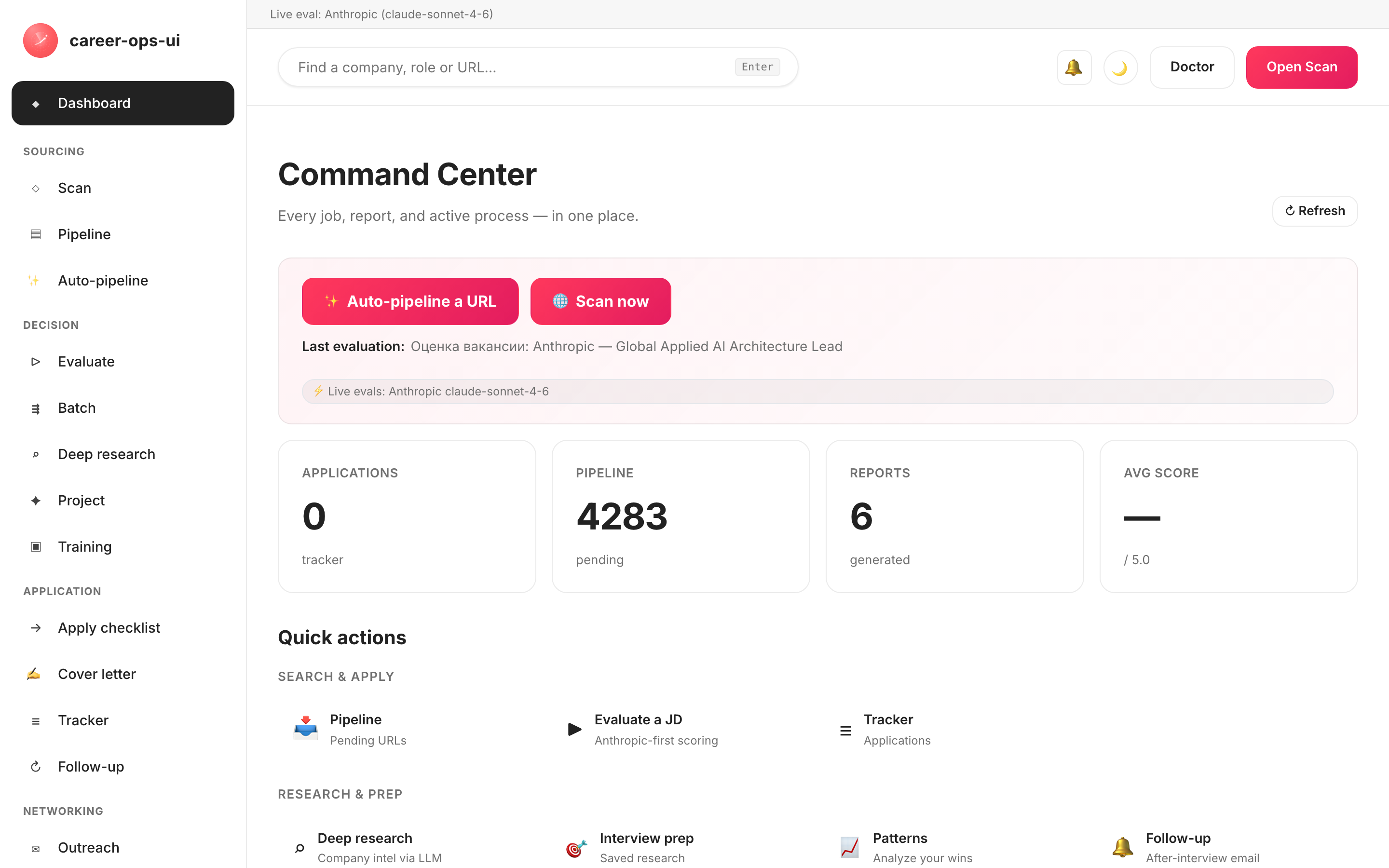
This release fixes issues for SREs watching stability and regressions.
✓ No known CVEs patched in this version
Topics
+11 more
Summary
AI summaryFixed silent zero‑hit results from hh.ru caused by its VPN interstitial redirect.
Changes in this release
| Type | Severity | Summary | CVE |
|---|---|---|---|
| Bugfix | Medium |
hh.ru silently returned 0 hits (VPN-check interstitial) — now detected and disabled for rest of run, with hint to use residential IP. hh.ru silently returned 0 hits (VPN-check interstitial) — now detected and disabled for rest of run, with hint to use residential IP. Source: llm_adapter@2026-07-15 Confidence: low |
— |
| Bugfix | Low |
Detects hh.ru VPN-check interstitial redirect, disables hh.ru for remainder of run. Detects hh.ru VPN-check interstitial redirect, disables hh.ru for remainder of run. Source: granite4.1:30b@2026-07-15-audit Confidence: low |
— |
Full changelog
[1.118.3] — 2026-07-10
Fixed
- hh.ru silently returned 0 hits (VPN-check interstitial) — hh.ru now 302-redirects networks it flags as VPN/proxy (datacenter egress IPs) to a
/vpncheeckinterstitial (“VPN мешает работе сайта”) that answers HTTP 200 with zero vacancy cards, so the scan reported 0 with no error at all. The scanner now detects the redirect via the response's final URL, disables hh.ru for the rest of the run, and prints an honest hint: traffic must really exit via a residential IP — a system-wide VPN/proxy can stay active even when the browser toggle is off. +1 test (1823).
Weekly OSS security release digest.
The CVE patches and breaking changes that affected production tools this week. One email, every Sunday.
No spam, unsubscribe anytime.
Share this release
About Career Ops UI
All releases →Related context
Related tools
Beta — feedback welcome: [email protected]